Packing a Cooler the Right Way for Tailgate Food Safety
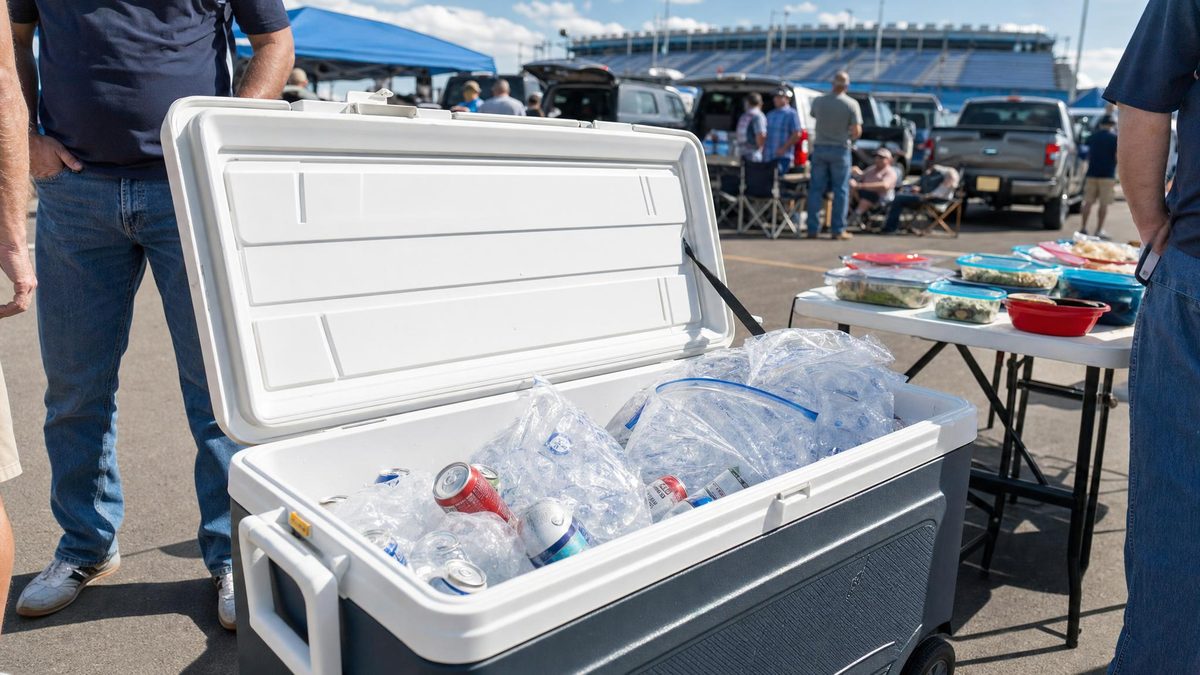
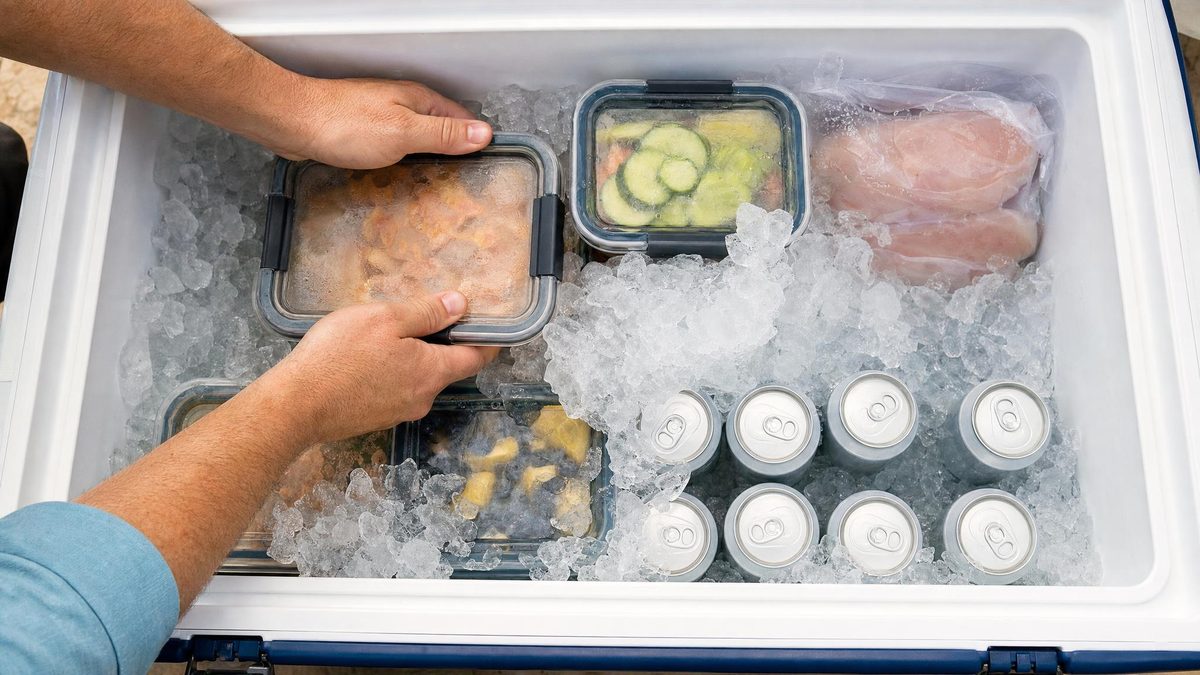
For reliable ice for picnic and tailgate food safety, pre-chill the cooler, pack cold perishables in sealed containers, surround them with plenty of ice, and keep the lid closed. Aim to hold meat, dairy, salads, dips, and cut fruit at 40°F or below until serving.
A simple packing order works well:
- Put ice on the bottom of the cooler.
- Add sealed heavy items, drinks, and leakproof containers.
- Keep sandwiches, produce, and other delicate foods above the meltwater line.
- Cover everything with more ice and store the cooler in shade.
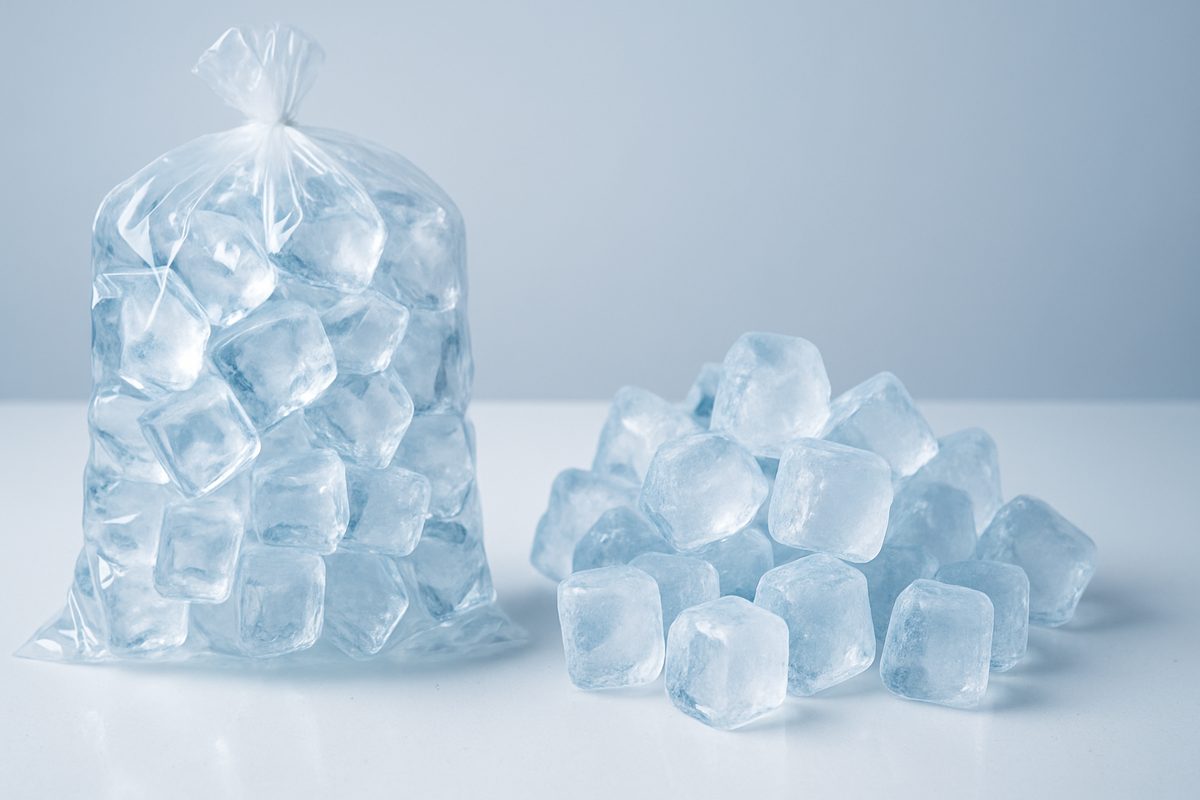
Bagged pellet ice is especially useful for tailgates because it fills gaps around bottles, cans, and containers for fast, even chilling. Emergency Ice Delivery delivers bagged pellet ice to event teams and restaurant managers, helping them avoid a last-minute ice shortage when demand is high.
Choosing the Right Ice for Picnic and Tailgate Outings
Setting up a flawless outdoor spread across venues in Charlotte, NC, or around tailgate lots in Columbia, SC, requires more than tossing a single bag of ice over warm soda cans. The structure, shape, and density of your chilling medium influence whether your perishables stay food-safe at 40°F or turn into a tepid mess by halftime.
When packing a cooler, understanding thermal mass and melt dynamics helps you keep internal temperatures in check. In general:
- Bagged pellet ice offers strong surface contact against bottles, cans, and food containers, so it pulls heat away quickly and fills gaps in the cooler.
- Large block ice carries more thermal mass and melts more slowly, which makes it useful as a base layer for multi-day coolers, but it leaves air gaps around irregular items.
- Reusable ice packs produce no meltwater, which is handy for keeping sandwiches and bread dry in a lunchbox-sized cooler, but they cool a smaller area than loose ice.
- Dry ice reaches far colder temperatures than water ice and is useful for transporting frozen goods, but it needs ventilation and careful handling and isn’t meant for direct food contact.
Block Ice vs. Bagged Pellet Ice for Picnic Coolers
The core difference between block ice and bagged ice comes down to surface area versus how long it lasts. A dense block has a low surface-area-to-volume ratio, which lets it absorb ambient heat slowly over many hours without melting quickly. It acts as an anchor for cooler temperatures.
However, solid blocks leave gaps around curved bottles, condiment jars, and food trays. That’s where bagged pellet ice earns its keep — it flows around your items, providing immediate, even contact that pulls heat directly away from food containers. If you need a supply on hand before the next tailgate, you can order bagged ice ahead of time.
Why Bagged Pellet Ice Maximizes Surface Contact
Pellet ice consists of compact, uniform pieces that reduce dead air pockets. Because warm air fills open voids inside an insulated chest, large gaps between items can speed up melt. When you pour bagged pellet ice into a cooler, it settles into the gaps, helping bring beverage cans down to a cold temperature faster than solid blocks.
Managing Melt Rates for Extended Outdoor Events
To manage melt rates during warm afternoons in Jacksonville, FL, or sunny gatherings in Charleston, SC, balance dense base cooling with high-contact surface ice.
- Build a thermal baseline: Place high-density blocks or freeze-solid gel packs across the bottom floor.
- Surround your provisions: Fill the intermediate gaps with fresh bagged pellet ice.
- Cap the load: Top the final layer with another blanket of pellet ice to help lock out radiant heat when the lid is lifted.
How Much Ice Do You Need for an Outdoor Tailgate?
A frequent tailgate miscalculation is buying too little ice. If you underfill a 50-quart cooler with two thin bags of ice and pack it full of warm drinks, the ice can melt within a couple of hours just trying to bring the beverages down to temperature.
The Standard 2:1 Ice-to-Item Ratio
A reliable rule of thumb for outdoor food preservation is a roughly 2:1 ice-to-item ratio by volume.
- Two-thirds ice: about 66% of the cooler’s interior space consists of ice.
- One-third food and drinks: about 33% of the space is reserved for your perishables and beverages.
If your cooler holds 60 quarts, aim for roughly 40 quarts of that volume dedicated to ice. This ratio helps ensure enough thermal mass to absorb external heat without letting the cooler’s internal temperature drift into the food-danger zone above 40°F.
Sizing Ice for Picnic Gatherings by Group Size and Duration
Tailgate demands vary based on guest count, ambient humidity, and event length:
- Small outing (2–4 people, 3–4 hours): A compact 20–30 quart cooler typically needs about 15–20 lbs of ice to keep deli meats, dips, and a dozen beverages cold.
- Medium tailgate (6–10 people, 4–6 hours): A 50–70 quart cooler generally needs about 30–40 lbs of ice. Pre-chilling beverages overnight helps prevent early melt.
- Large group or all-day event (12+ people, 6+ hours): Plan on multiple coolers, with 60–80+ lbs of ice split across separate beverage and food chests.
These are general planning ranges — actual needs vary with ambient temperature, cooler quality, and how often the lid is opened.
Step-by-Step Guide to Packing Your Cooler Like a Pro
Packing a cooler correctly makes a real difference. Tossing items in randomly leads to crushed buns, waterlogged sides, and uneven cooling zones.
Pre-Chilling Your Cooler and Perishables
Never load a warm cooler that’s been sitting in a hot garage or vehicle trunk. Thick insulation holds onto residual heat and will consume your initial layer of ice fast.
- Sacrificial ice method: A few hours before your event, add a bag of ice to the empty cooler and latch the lid. Drain the meltwater right before final packing.
- Cold staging: Bring drinks, meats, and condiments down to a cold refrigerator temperature before loading, rather than packing them in warm from the pantry or counter.
Layering Technique to Prevent Soggy Food
Follow this bottom-to-top strategy to help keep everything safe, chilled, and dry:
- The sub-floor: Line the bottom with ice or reusable gel packs.
- Raw proteins and grilling meats: Pack sealed raw items directly against the bottom cold zone.
- The ice infill: Pour a layer of bagged pellet ice over the meats to help hold them below 40°F.
- Heavy beverage layer and sturdy containers: Add cans, bottles, and rigid, watertight containers holding sides and dips.
- Secondary ice fill: Add more pellet ice around the sides and between containers.
- The dry perch: Place sandwiches, cheeses, and cut fruit in sealed containers positioned above the ice line so they stay dry.
Proven Habits to Keep Ice Frozen Longer in Hot Weather
When spending an afternoon outdoors in Greenville, SC, direct sunlight and radiant ground heat can quickly work against your cooler. A few habits help preserve your ice:
Minimizing Air Pockets and Ambient Heat Exposure
Air is a poor insulator inside a cooler. Every open space allows warm air to circulate, speeding up ice melt.
- Fill open voids: If food and ice don’t reach the rim of the chest, add clean towels or foam padding across the top before closing the lid.
- Reflect the sun: Keep the cooler covered or shaded, and position it under a tent or canopy rather than in direct sun.
Designating Separate Drink and Food Coolers
One of the biggest causes of rapid ice melt is how often the lid gets opened. Tailgate guests reach for cold drinks constantly, exposing the cooler to blasts of hot, humid air.
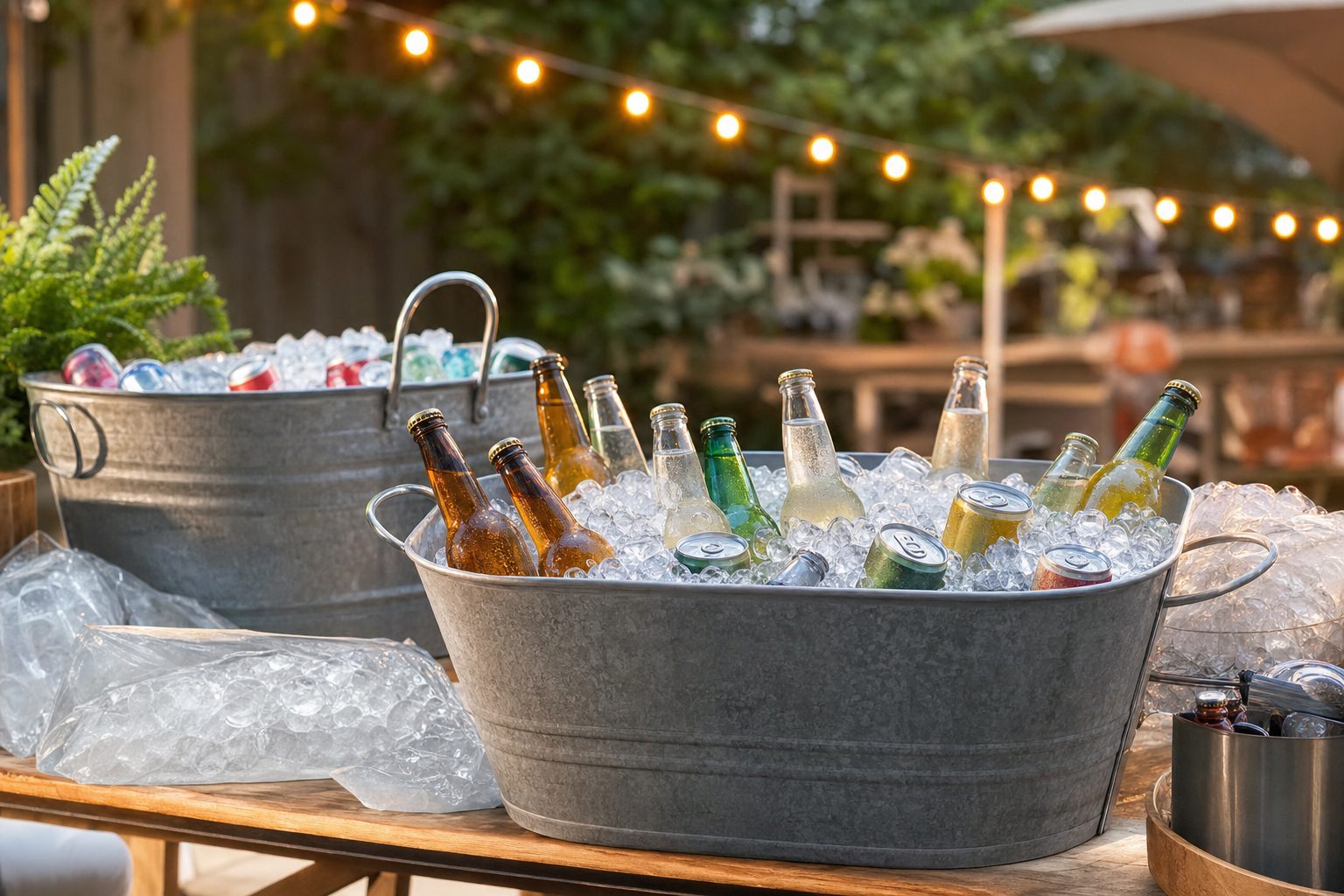
- Cooler #1 (beverages): Expect faster melt due to frequent openings. Pack it heavy with bagged pellet ice to chill drinks quickly.
- Cooler #2 (perishable foods): Open this one only when preparing meals. Keeping it closed preserves ice for hours and helps protect food safety.
Frequently Asked Questions About Tailgate and Picnic Ice
How long does bagged ice last in a standard cooler?
In a standard cooler exposed to hot outdoor temperatures, a bag of ice commonly lasts somewhere in the range of half a day to a full day, depending on shade, insulation quality, and how often the lid is opened. A well-insulated, pre-chilled cooler kept in the shade will hold ice noticeably longer than a thin cooler left in direct sun.
What is the best way to prevent picnic sandwiches from getting soggy?
Avoid standard plastic bags, which can leak when submerged in meltwater. Instead, use airtight containers or an elevated tray or basket that keeps bread and produce above the meltwater line. See our FAQ page for more food-safety tips.
Should you drain the melted water from a picnic cooler?
- For food coolers: Yes — drain periodically if items aren’t in watertight containers, to reduce the risk of food contamination.
- For beverage coolers: You can leave it. Ice sitting in cold meltwater creates an ice bath that chills cans and bottles faster than ice surrounded by air pockets.
Conclusion
A great tailgate or picnic comes down to preparation. Pre-chilling your cooler, keeping a roughly 2:1 ice ratio, layering perishables in airtight containers, and using separate beverage and food chests all help protect your guests while keeping drinks cold.
When planning major events, tailgates, or restaurant patio service across Jacksonville, FL, Charlotte, NC, Columbia, SC, Greenville, SC, and Charleston, SC, running out of ice doesn’t have to be a risk. Emergency Ice Delivery delivers bagged pellet ice directly to your venue in as little as 45 minutes, with no hidden surcharges. Delivery orders start at five 20 lb bags (100 lb). Explore our Services page to see how we can support your next gathering.