Choosing Ice for Casual Dining Drinks
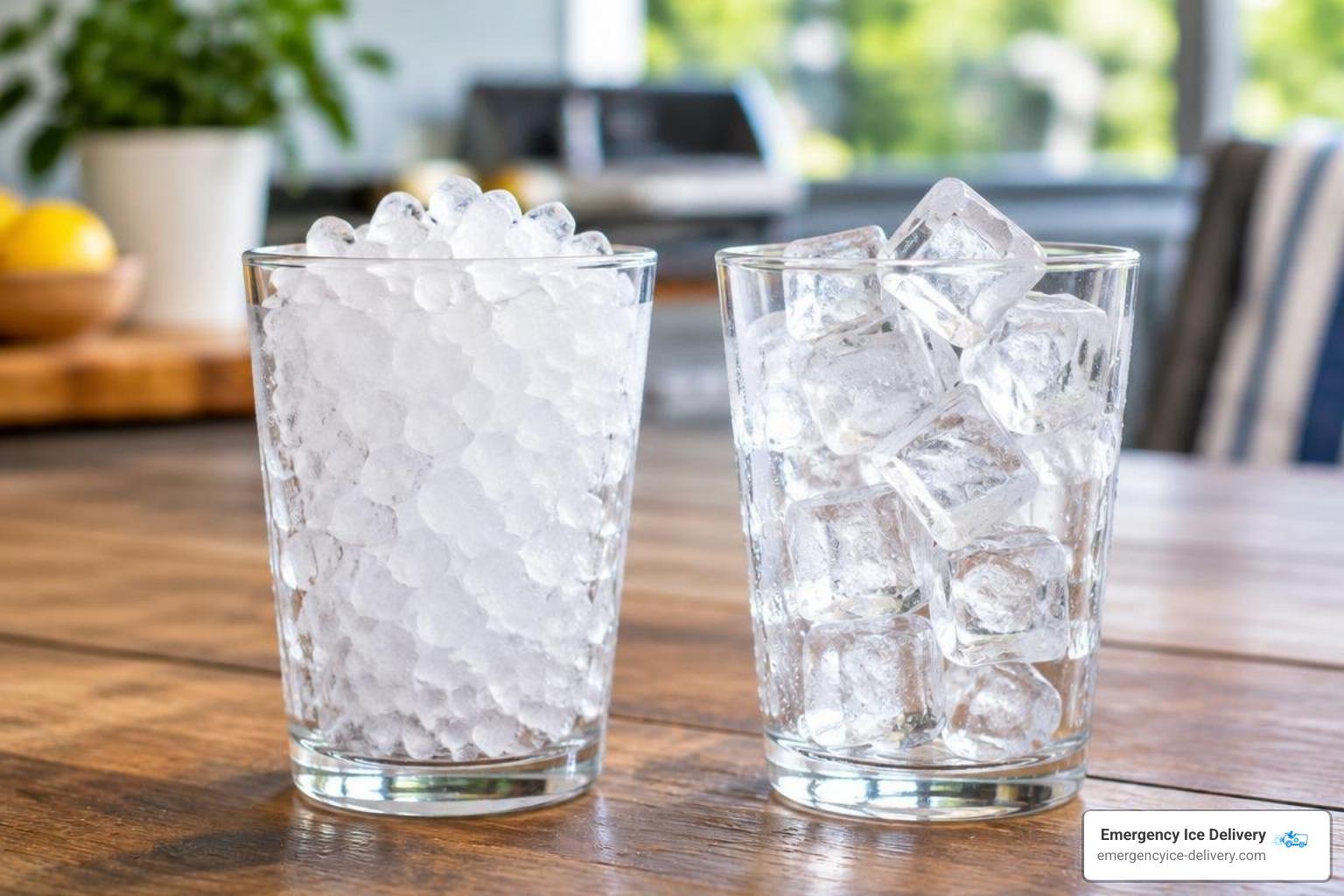
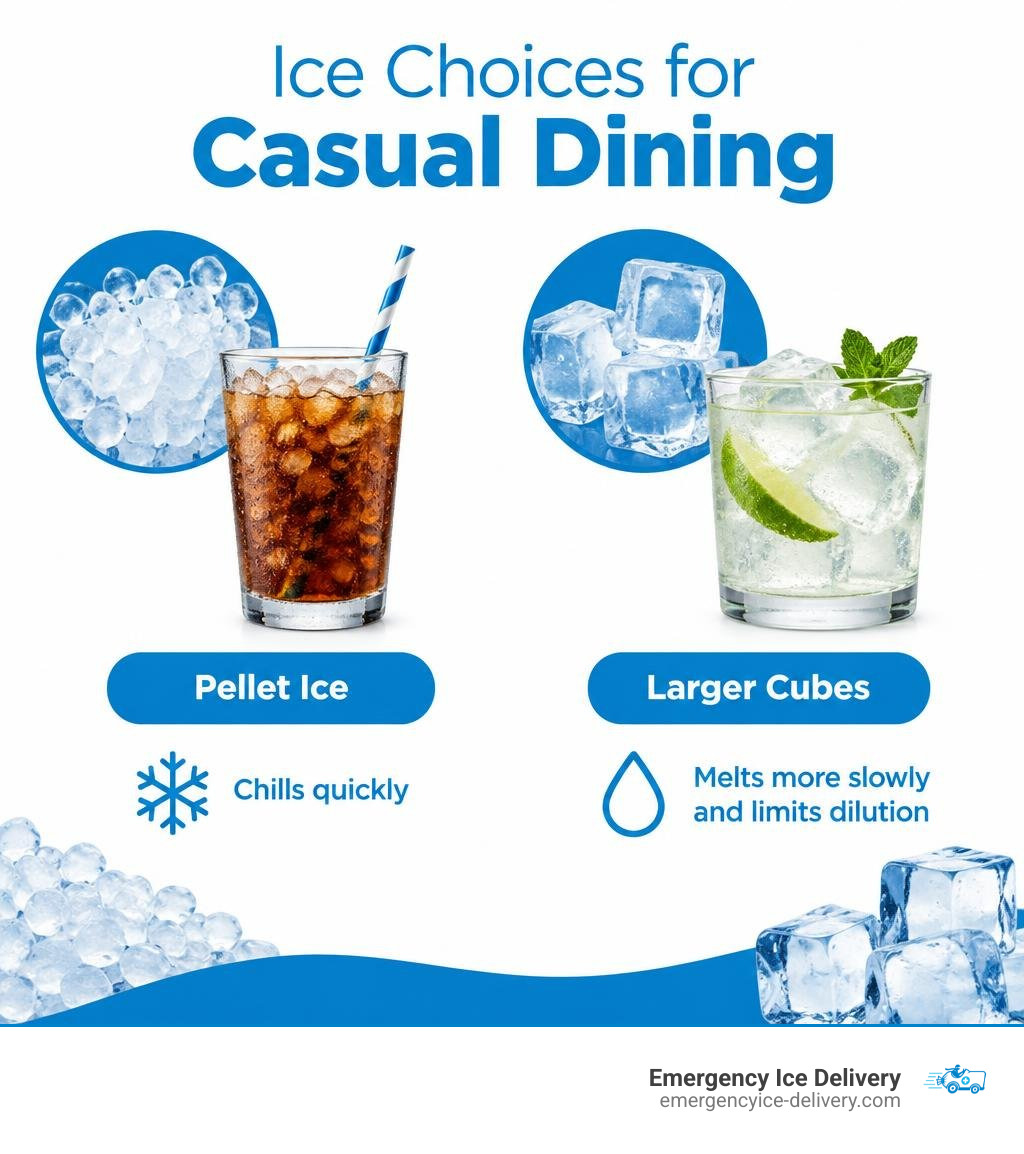
Start with the drinks you serve most. Cube ice is a versatile choice for water, tea, and mixed drinks. Chewable pellet ice works well in soft drinks and iced coffee, while larger cubes help limit dilution in spirit-forward cocktails. For a busy shift, plan enough ice for peak orders, not just the day’s average.
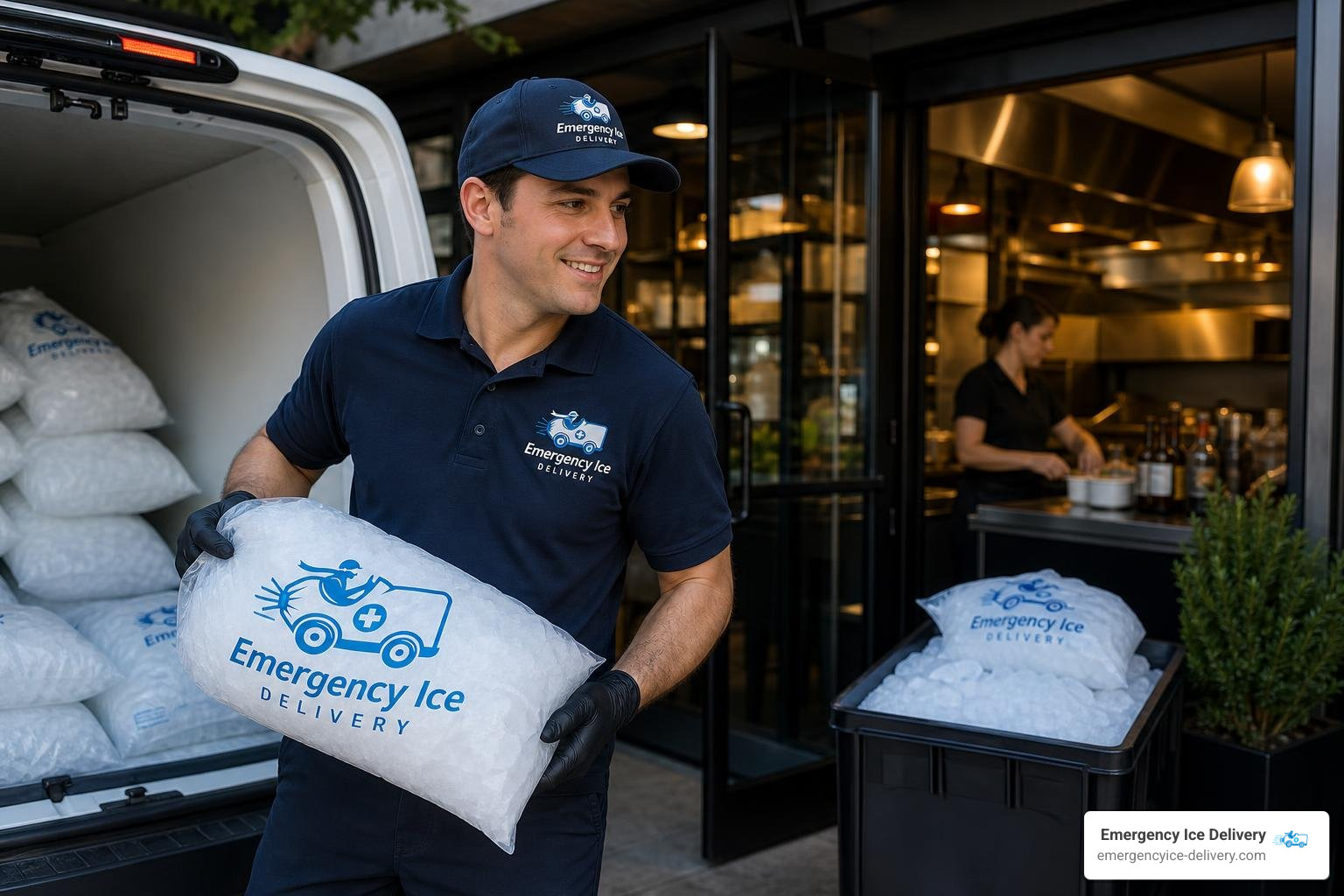
The right choice affects more than how a drink looks. Ice size and texture change how quickly a drink chills and how much it dilutes as guests linger. Emergency Ice Delivery produces and delivers bagged pellet ice , giving restaurants a way to restock during rushes, events, or machine downtime.
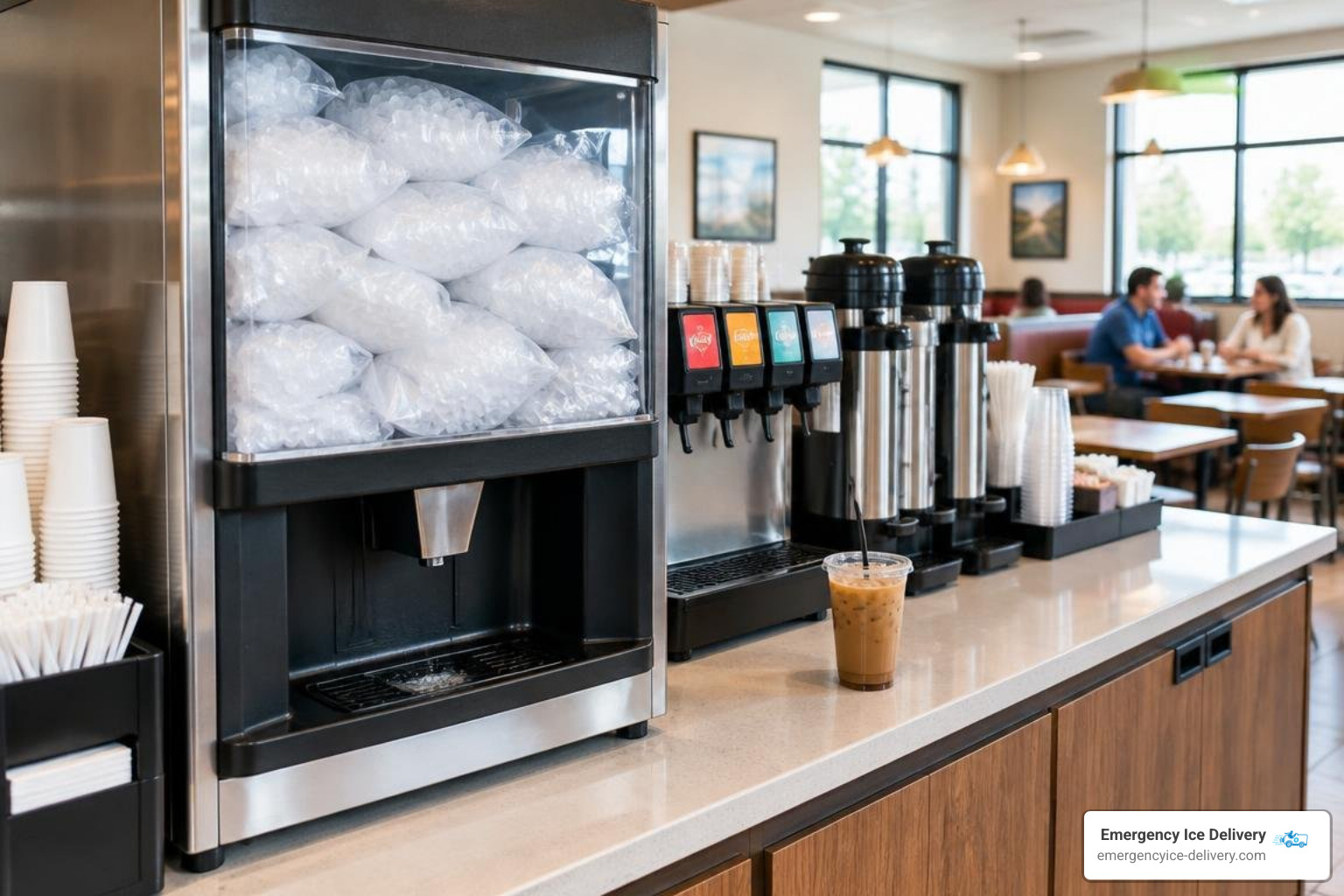
Every dining room manager knows the sudden feeling of dread when the dinner rush hits, the drink tickets stack up, and the service bin scrapes the bottom of the ice chest. As of October 2026, guest expectations around beverage programs are higher than ever. Whether diners are enjoying interactive meals at an all-you-can-eat grill or relaxing with family over burgers and pizzas, the quality, chill, and texture of what is in their glasses set the baseline for the entire hospitality experience.
Selecting the right ice for casual dining is an operational balancing act. It directly dictates drink quality, dictates syrup-to-water ratios, shapes guest satisfaction, and influences pour costs across every shift.
Evaluating Bagged Pellet Ice for Casual Dining Menus
Selecting ice requires balancing melt rates, customer satisfaction, and economic factors. While classic cubes and crescent shapes have served kitchens for decades, the industry has seen a massive shift toward chewable pellet \(nugget\) ice across relaxed and fast-casual concepts.
| Ice Characteristic | Pellet \(Nugget\) Ice | Standard Cube Ice | Crescent Ice | Gourmet / Large Cube |
|---|---|---|---|---|
| Texture & Feel | Soft, airy, easily chewable | Solid, dense, rigid | Solid, curved, smooth | Heavy, clear, slow-melting |
| Melt Rate | Moderate to Fast | Slow to Moderate | Moderate | Very Slow |
| Drink Displacement | High \(compacts tightly\) | Moderate \(leaves gaps\) | Moderate to High | High \(single large mass\) |
| Syrup / Pour Savings | Up to 15–20% | Baseline standard | Baseline standard | Varies |
| Best Beverage Fit | Sodas, iced coffee, slushies | Water, iced tea, rail drinks | Highballs, craft sodas | Neat spirits, Old Fashioneds |
| Guest Appeal | Exceptionally high \(cult favorite\) | Standard expectation | Clean, no-splash pour | Premium visual appeal |
Understanding Pellet Ice for Casual Dining
Pellet ice—frequently celebrated as nugget ice or “chewable” ice—has earned a cult-like following among diners. Market research shows that consumers prefer nugget ice over traditional cube ice by a margin of 2 to 1. Because pellet ice is formed by compacting flaked ice into small, layered cylinders, it features porous pockets that trap beverage flavor.
For high-turnover casual concepts, pellet ice delivers clear commercial advantages:
- Enhanced Displacement: Because the small pellets nestle together efficiently in a glass, they displace more liquid than bulky square cubes. This allows servers to hit perfect pour lines while reducing syrup and mixer usage.
- Rapid Heat Transfer: The expansive surface area drops beverage temperatures almost instantly upon pouring.
- Proven Revenue Gains: Some foodservice operators have reported beverage sales increases of over 25% after transitioning their drink programs to chewable nugget ice.
In dynamic, high-energy settings—from vibrant dining rooms in Charlotte, NC to lively eateries along the waterfront in Charleston, SC—the playful crunch of pellet ice keeps guests refreshed and orders flowing.
Selecting Bagged Pellet Ice for Casual Dining Cocktails and Soft Drinks
Matching ice types to beverage categories prevents diluted flavors while maximizing visual appeal.
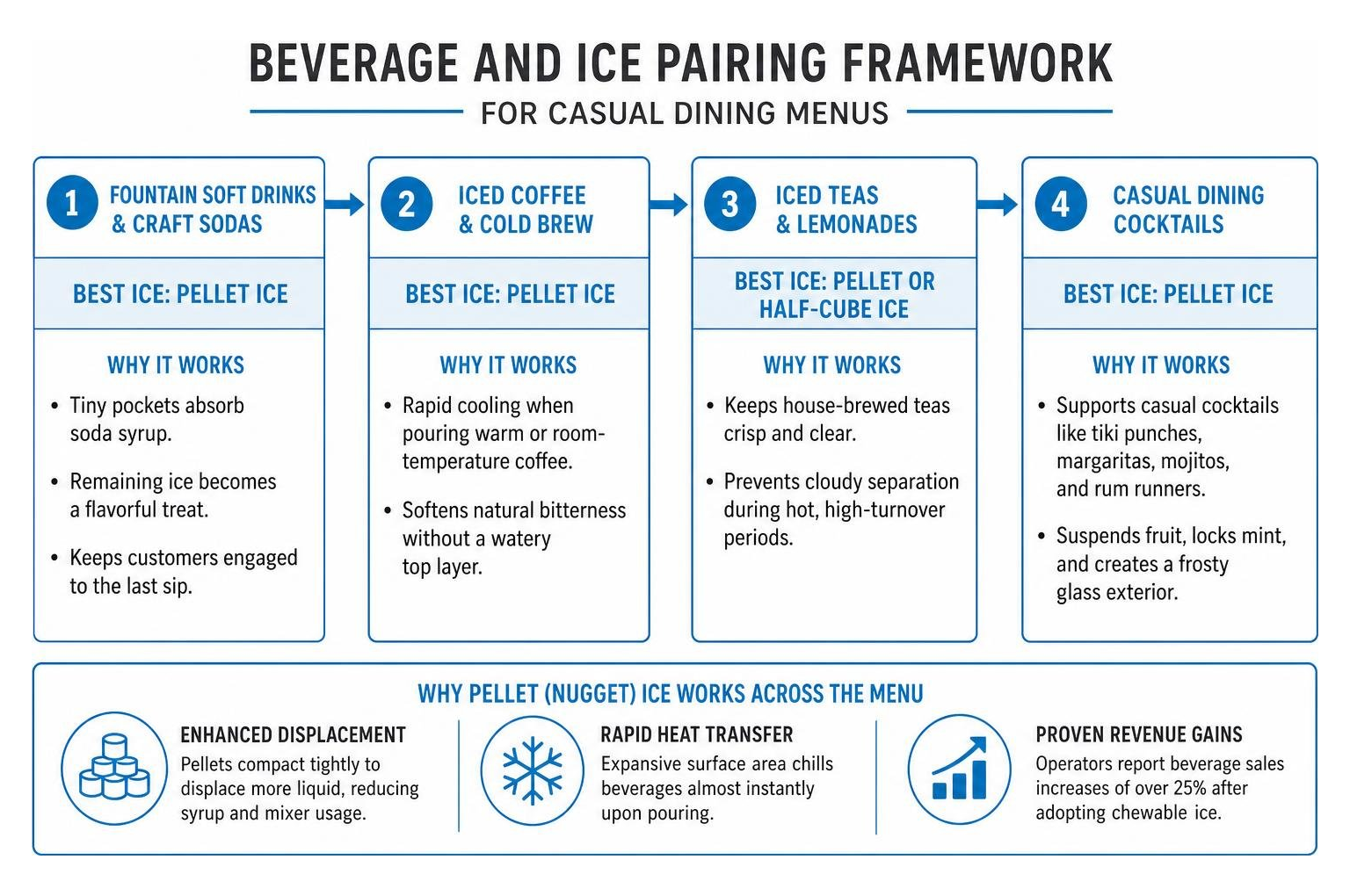
- Fountain Soft Drinks & Craft Sodas: Pellet ice shines brightest in carbonated beverages. The tiny pockets absorb the soda syrup, turning the remaining ice into a flavorful treat that keeps customers engaged right to the end of the meal.
- Iced Coffee and Cold Brew: Rapid cooling is vital when pouring warm espresso or room-temperature cold brew concentrates over ice. Pellet ice chills the brew quickly, softening the natural bitterness of the coffee beans without creating an unpleasantly watery top layer.
- Iced Teas & Lemonades: Half-cube and pellet ice keep house-brewed teas crisp and clear, preventing cloudy separation during hot afternoon rushes.
- Casual Dining Cocktails: While spirit-forward classics benefit from dense cubes, casual bar favorites like tiki punches, margaritas on the rocks, mojitos, and rum runners thrive on pellet ice. It suspends fresh fruit garnishes, locks mint leaves into place, and creates an attractive, frosty sheen on the outside of glassware.
Sizing Ice Supply, Storage, and Food-Safety Needs
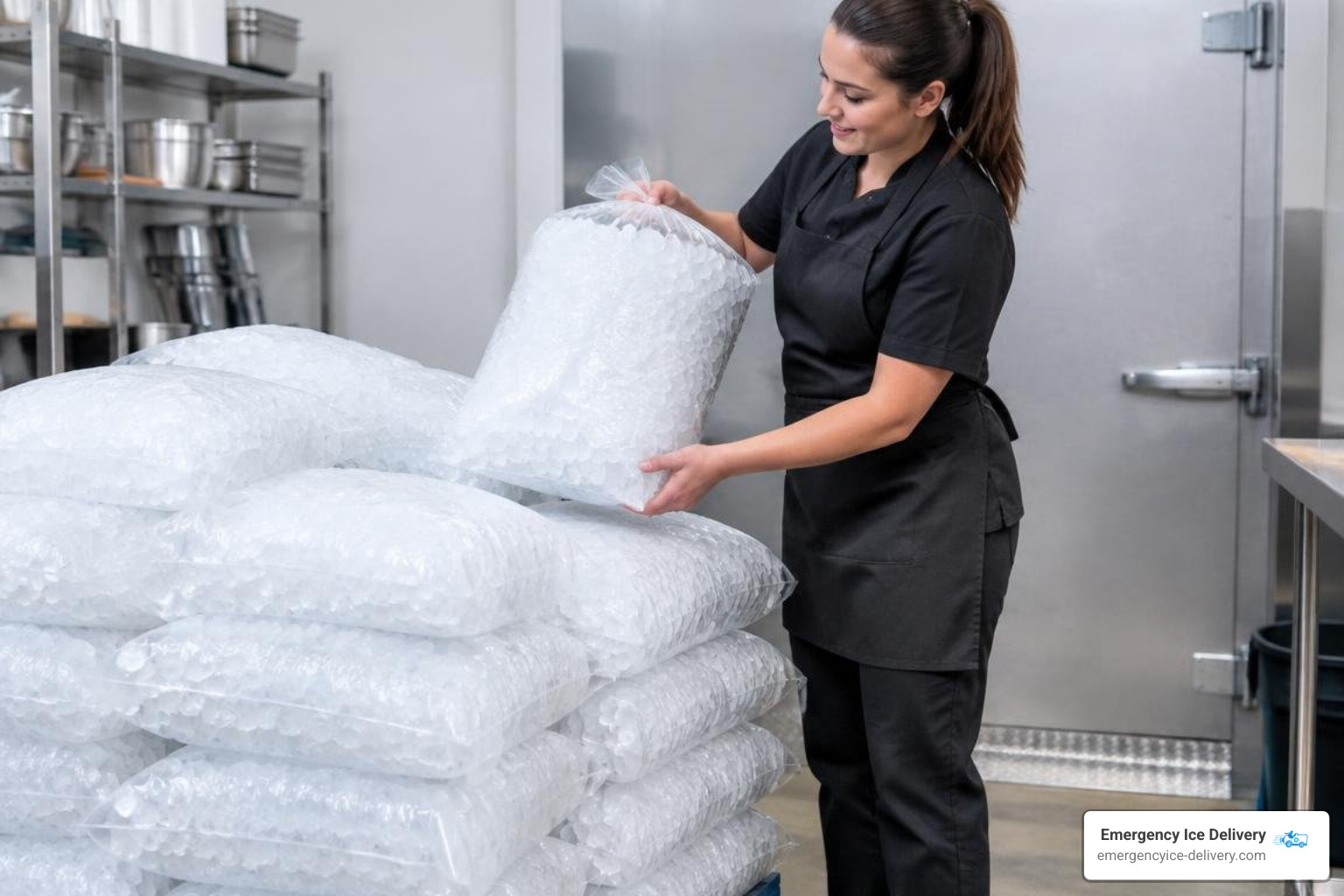
Running out of ice during a Saturday evening rush paralyzes a casual dining room. Servers cannot pour sodas, bartenders cannot shake cocktails, and back-of-house staff cannot set up cold-holding prep pans. Protecting your shift requires calculating baseline consumption and preparing for unexpected volume spikes.
Planning Storage and Daily Ice for Casual Dining Capacity
In the casual dining sector, ice demand is calculated using standard customer cover ratios:
- Dining Room Baseline: Estimate roughly 1.5 to 2.0 lbs of ice per customer for full-service dining.
- Bar Operations: Bars require up to 3.0 lbs of ice per patron to account for cocktail shaking, glass chilling, and dump-sink replenishment.
- Peak Buffer Factor: Always add a 20% to 25% safety margin above daily averages to absorb extreme summer temperatures and busy holiday shifts.
A casual dining spot in Greenville, SC serving 300 covers on a Friday evening will consume between 450 and 600 lbs of ice for the dining room alone, plus another 150 lbs at the bar. If on-site machines struggle to recover during high-ambient-heat months, having a dependable supply of wholesale bulk bagged ice ensures service proceeds without disruption.
Maintaining Food-Safe Ice Storage
Ice is classified by health agencies as a food product, which means storage bins and holding chests require strict environmental management:
- Insulated Secondary Bins: Keep holding bins away from hot cooking lines, steam tables, and direct sunlight to curb rapid melting.
- Stock Rotation: Practice standard first-in, first-out \(FIFO\) rotation with bagged stock to prevent clumping and maintain fresh quality.
- Melt Drainage Verification: Ensure floor drains beneath storage bins and beverage stations remain clear. Standing meltwater creates breeding grounds for bacteria and accelerates the melting of remaining ice stock.
Sanitation, Food Safety, and Bagged Ice Workflow Management
Health inspectors scrutinize commercial ice storage because warm, moist environments encourage mold, slime, and biofilm buildup. In addition, regulatory shifts have changed the operational landscape: as of January 1, 2026, EPA regulations require self-contained air- and water-cooled ice machines producing 1,000 lbs or less to transition to eco-friendly R290 refrigerant.
Whether operating high-volume spots in Jacksonville, FL or neighborhood kitchens across Columbia, SC, meeting food-safety standards requires tight sanitation routines:
- Dedicated Scoops Only: Never allow staff to scoop ice using beverage glasses or plastic cups. Glass chipping inside an ice well requires burning the entire well immediately, stopping bar service in its tracks. Store dedicated NSF-certified scoops on smooth, non-porous hanging brackets outside the bin.
- Scheduled Deep Cleaning: Equipment manufacturers recommend deep cleaning and sanitizing ice bins at least every 6 months. For high-volume kitchens or locations in humid southern climates, clean every 3 months to prevent microbial growth.
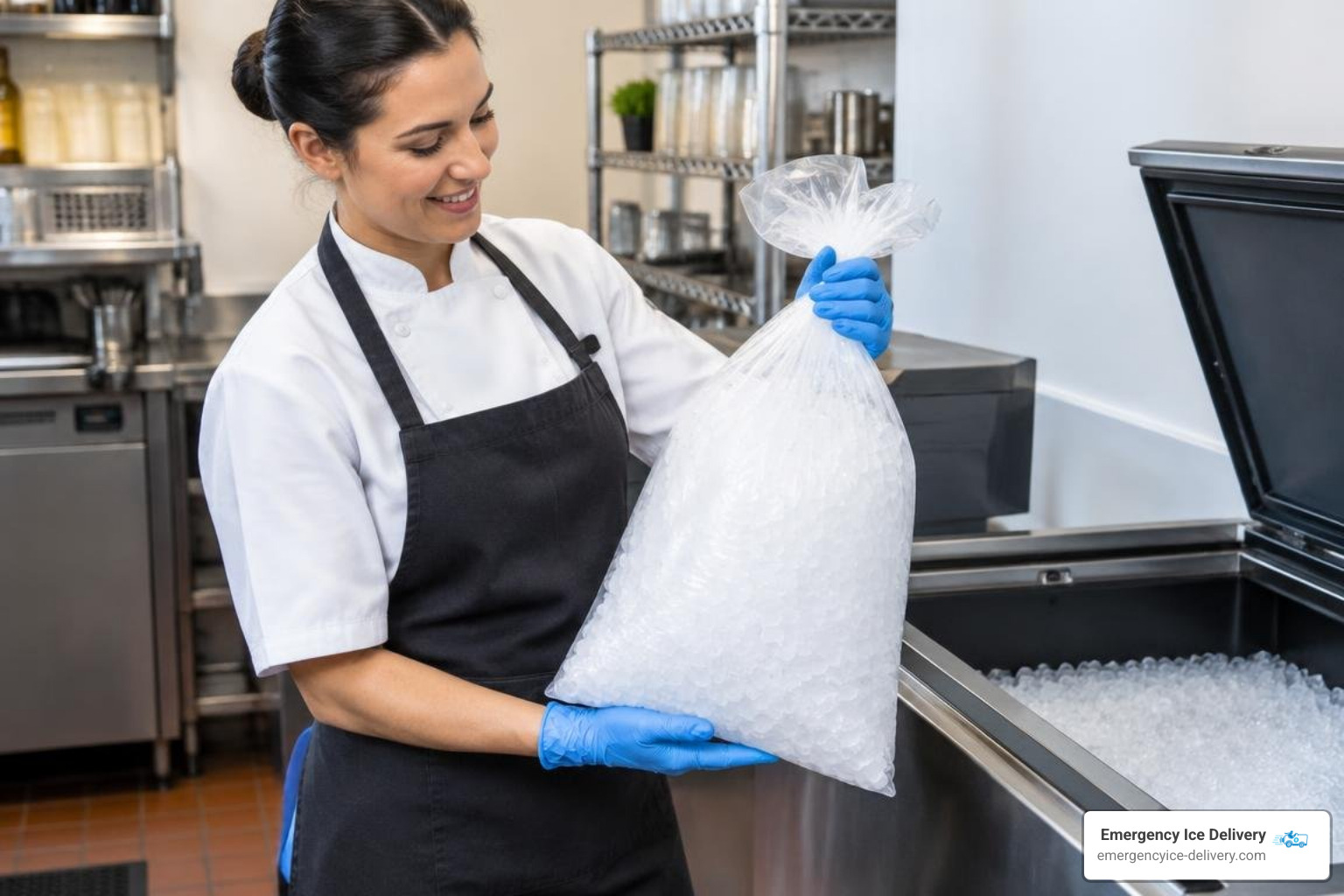
- Handling Bagged Delivery: Partnering with the best bagged ice companies for restaurants ensures access to food-grade, untouched ice whenever commercial equipment needs maintenance or emergency support.
When managing multiple stations across front-of-house service stations, patio bars, and kitchen prep lines, keeping bags of pellet ice staged in dedicated holding freezers allows staff to refill wells in seconds. Operators within our reliable fast delivery service zones can rely on swift drop-offs to navigate sudden machine breakdowns or unexpected party bookings without compromising standards.
Frequently Asked Questions About Restaurant Ice
How much ice does a casual dining restaurant use per day?
Most full-service casual dining establishments use between 1.5 and 2 lbs of ice per customer throughout a standard day. If your establishment features an active bar program, budget up to 3 lbs per bar customer to cover drink building, blender drinks, and shaker tins. Kitchen prep, cold line pans, and dessert displays typically add another 50 to 100 lbs daily depending on the menu layout.
How can restaurants manage ice use efficiently during high-volume service?
Using pellet ice is one of the most effective ways to balance speed and portion control. Its compact geometry fills drinkware evenly, reducing empty space and preventing over-pouring of syrups and alcohol. Pre-portioning ice with designated scoops and keeping insulated satellite wells stationed near high-traffic drink stations eliminates bottlenecks at the primary ice dispenser.
How often should ice storage areas be cleaned?
Commercial ice bins and storage chests should receive thorough sanitization at least once every 6 months, though busy casual dining kitchens in warm or humid regions should sanitize every 3 months. Scoops and holding buckets should be washed, rinsed, and sanitized daily through the dish machine to prevent cross-contamination from staff handling.
Conclusion
Maintaining beverage consistency and keeping service lines moving comes down to having reliable, high-quality ice on demand. From boosting customer satisfaction with crisp, chewable pellet ice to protecting drink margins through optimal displacement, your ice strategy directly influences daily profitability.
When unexpected equipment failures, sudden weather surges, or massive private bookings threaten to drain your wells, Emergency Ice Delivery delivers 20 lb bags of high-grade bagged pellet ice directly to your business in as little as 45 minutes. Explore our full range of emergency and scheduled ice delivery services across Jacksonville, FL, Charlotte, NC, Columbia, SC, Greenville, SC, and Charleston, SC to keep your drink program running smoothly through every shift.