Types of Equipment for Seafood Displays
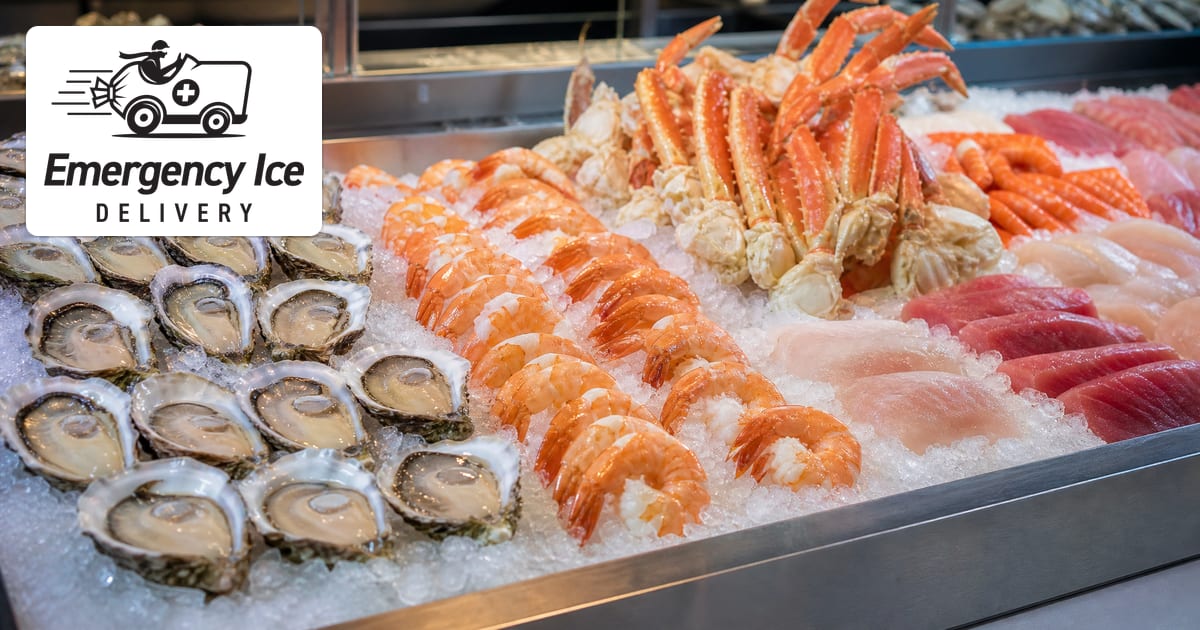
Setting up a successful raw bar or fresh seafood station requires choosing hardware that matches your operating style, venue size, and service speed. Commercial operators typically rely on a few core options: acrylic display trays, non-electric stainless steel chillers, custom carved ice, and mechanical refrigerated showcases.
- Acrylic display trays — lightweight, transparent, and easy to clean; a common choice for mobile caterers and buffet stations
- Stainless steel ice chillers — durable, non-electric options that hold ice for hours without needing a compressor or power cord, useful for outdoor catering
- Custom ice sculptures and platters — used for higher-end raw bars showcasing oysters, crab legs, and similar items
- Refrigerated display cases — combine a display area with built-in cold storage below, reducing how often you need to restock ice
Real Ice vs. Mechanical Refrigeration
Choosing between real ice beds and mechanical refrigerated cases comes down to moisture management, presentation, and how much power access you have on site.
For unwrapped fresh fish and raw shellfish, real ice combined with static cooling is generally the gold standard. Mechanical units with forced-air fans can circulate dry, cold air aggressively, which tends to dehydrate delicate fish and dull its color. Static, ice-based cooling keeps product cold without drying out the surface.
Advantages of real ice beds for raw bars:
- No electricity needed — non-electric chillers work quietly without compressors, which matters for mobile catering sites
- Better moisture preservation — direct contact with ice keeps oysters, clams, and shrimp looking fresh and plump
- Strong visual appeal — bright white ice creates a clean contrast that makes seafood colors pop
Choosing the Right Setup for Your Event
Matching your display hardware to your event format helps service run smoothly:
- Wedding buffets — decorative setups like carved ice centerpieces paired with tiered platters create a strong focal point; make sure your layout allows space for drip trays
- Corporate events — clean stainless steel or acrylic trays present oysters and shrimp well while keeping a polished look
- Casual seafood buffets — high-capacity insulated chillers allow fast replenishment during busy service
Materials, Drainage, and Setup Considerations
Selecting the right equipment means evaluating materials, insulation, and how runoff is managed.
| Feature | Acrylic Trays | Stainless Steel Chillers |
|---|---|---|
| Durability | Shatter-resistant, reinforced frames | Heavy-gauge steel, rust-resistant |
| Insulation | Single/double-wall acrylic | Foamed insulation |
| Mobility | Lightweight, easy to move | Medium-heavy, tabletop or stand-mounted |
| Drainage | Removable perforated plate | Sloped interior to a central drain |
| Best use | Mobile buffets, sushi stations | High-volume markets, raw bar stations |
Preventing Spoilage with Proper Drainage
Standing water is the enemy of a good seafood display. Meltwater that pools can affect texture, promote bacterial growth, and leave seafood sitting in water it shouldn’t be in.
Good equipment handles this with:
- Perforated draining plates that keep food elevated above meltwater
- Sloped interior bottoms that channel runoff to a central drain
- Dedicated drip trays placed underneath displays to catch overflow
Calculating How Much Ice You Need
Fresh seafood should be held at a safe temperature range, and having enough ice on hand — with a plan to replenish it — is the key to keeping a display safe and appealing throughout service.
A simple planning approach:
- Base requirement — budget roughly 10 to 20 pounds of ice per square foot of display area for the initial bed. Seafood needs to sit in ice, not just near it, so the bed has to be deep enough to fully surround the product — a shallow layer looks the part but won’t hold a safe temperature through service.
- Indoor events — add roughly 1 pound of ice per square foot for every hour of service, for replenishment
- Outdoor events / warm conditions — add roughly 1.5 to 2 pounds of ice per square foot per hour, since ice melts faster outdoors
Example: A 24” x 48” display chiller (8 square feet) running a 4-hour indoor event would need roughly 80–160 lbs for the initial bed (at 10–20 lbs/sq ft) plus about 32 lbs for replenishment — call it 112–192 lbs total, or 6 to 10 of our 20-lb bags.
That calculated total is comfortably above our 5-bag (100 lb) minimum order, so a display this size is straightforward to order for directly. If your math for a smaller display comes out under 100 lbs, round up to the 5-bag minimum — the extra ice is worth having on hand for a mid-service top-off anyway.
If you’re planning an event in Jacksonville, Charlotte, Columbia, Greenville, or Charleston, it’s worth ordering ice in advance so it arrives fresh right before service starts.
Safety Best Practices
- Never reuse display ice for drinks or food — ice that’s been in contact with raw seafood or shell runoff should be discarded after service
- Keep dry ice away from raw seafood — dry ice can freeze delicate flesh solid and damage texture; it’s not a substitute for a proper ice bed
- Monitor temperatures — use a probe thermometer periodically to confirm seafood surface temperature stays in a safe range
- Top off ice regularly — replenishing every 30–45 minutes indoors (more often outdoors in heat) keeps displays looking fresh and performing safely
Frequently Asked Questions
What’s the safe temperature range for displaying fresh raw seafood on ice?
Under the FDA Food Code, cold-holding for seafood and other perishable (TCS) foods means keeping the product at 41°F (5°C) or below throughout service. Some state and local health departments set stricter limits, so confirm the requirement in your jurisdiction. A well-packed ice bed with good contact against the product will hold well below that threshold — insert a calibrated probe thermometer into the thickest part of the product (not just the surface, which cools faster than the interior) periodically during service to confirm you’re staying at or under the limit.
How do drip trays and draining plates help?
They separate seafood from meltwater by channeling it away from the display surface, so food stays presentable and doesn’t sit in standing water.
How often should ice be replenished in a seafood display?
Roughly every 30–45 minutes indoors under normal conditions, and more frequently — every 15–20 minutes — for outdoor events in hot weather.
Conclusion
A great raw bar or seafood display comes down to the right equipment, good drainage, and a steady supply of clean ice. Whether you’re running a restaurant counter or catering an event in Jacksonville, Charlotte, Columbia, Greenville, or Charleston, having enough ice on hand keeps your seafood cold, safe, and presentation-ready.
If you run low during service, Emergency Ice Delivery provides fast delivery of 20 lb bagged ice, with service available in as little as 45 minutes across our service areas. Contact us today, or check our locations to see if we serve your area.